Small Daily Steps, Big Conversational Confidence

Today we explore Microlearning Habits for Confident Communication, turning spare minutes into steady growth. Expect tiny, repeatable actions that reduce pressure, beat the forgetting curve, and build skills through momentum. Take a breath, try one exercise now, and share your experience so others can learn from your quick win.

Trigger, Action, Reward

Choose a reliable cue like opening your laptop, then practice a brief articulation drill, and finish with a rewarding checkmark or encouraging note. This predictable arc teaches your brain to crave repetition, which compounds gains in clarity, timing, and emotional steadiness during conversations.

Two-Minute Wins

Shrink each exercise until it fits into two minutes without strain, such as rehearsing a single opening sentence or practicing one confident handover phrase. Quick victories reduce friction, invite consistency, and gently stretch comfort zones, creating confidence that survives busy days and unexpected interruptions.

Stacking With Existing Routines

Attach a communication micro-practice to something you already do, like brewing tea, ending a meeting, or locking your phone. Habit stacking piggybacks on existing neural pathways, lowering startup cost and preserving energy, while guaranteeing repetition that builds dependable readiness for high-stakes moments.

Designing Tiny Learning Loops

Lasting change begins with loops so small they fit between calendar alerts and coffee sips. We will build cue, action, and reward cycles that feel effortless, protect attention from overload, and transform intention into visible progress. Start where resistance is lowest, celebrate micro-success, and measure confidence like a gardener tracking new shoots after gentle rain.

Breath, Voice, and Presence on Demand

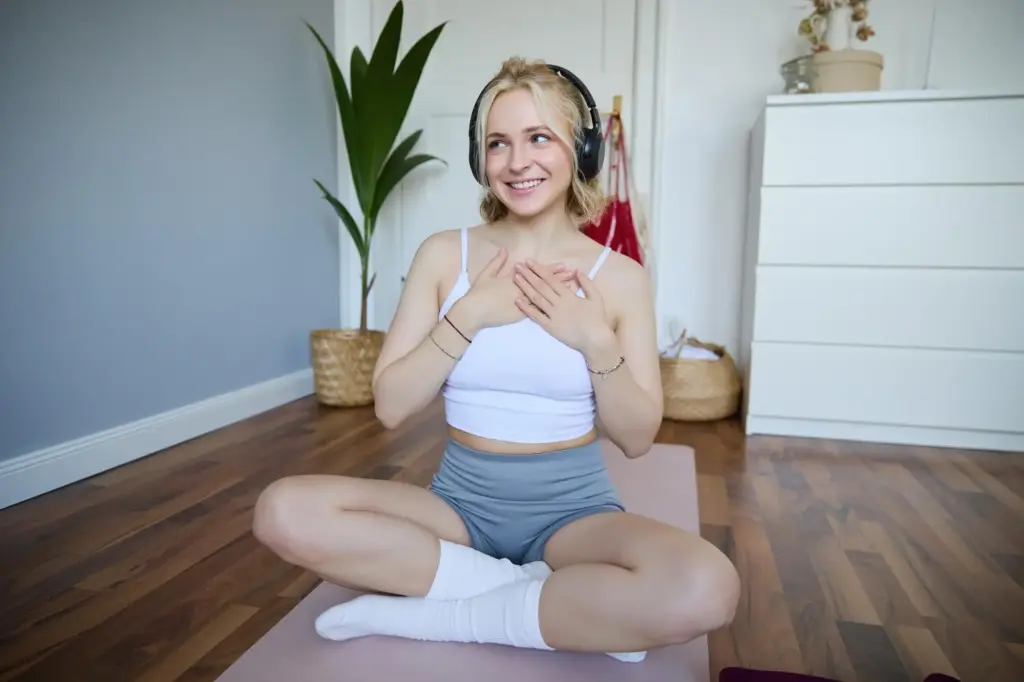
Calm breath anchors persuasive voice, and presence starts in the body. We will use short breathing patterns, posture resets, and compact warm-ups to steady nerves and shape tone. These rituals take less than a minute yet powerfully improve pacing, resonance, and authority, especially when conversations feel rushed or emotionally charged.

Box Breathing in the Elevator

Before a call, inhale, hold, exhale, hold, each for four slow counts, repeating once. This tiny square of breath reduces cortisol, steadies cadence, and frees your voice from tremor. Practice during transitions so composure becomes your default setting under pressure.

Posture Reset at Your Desk

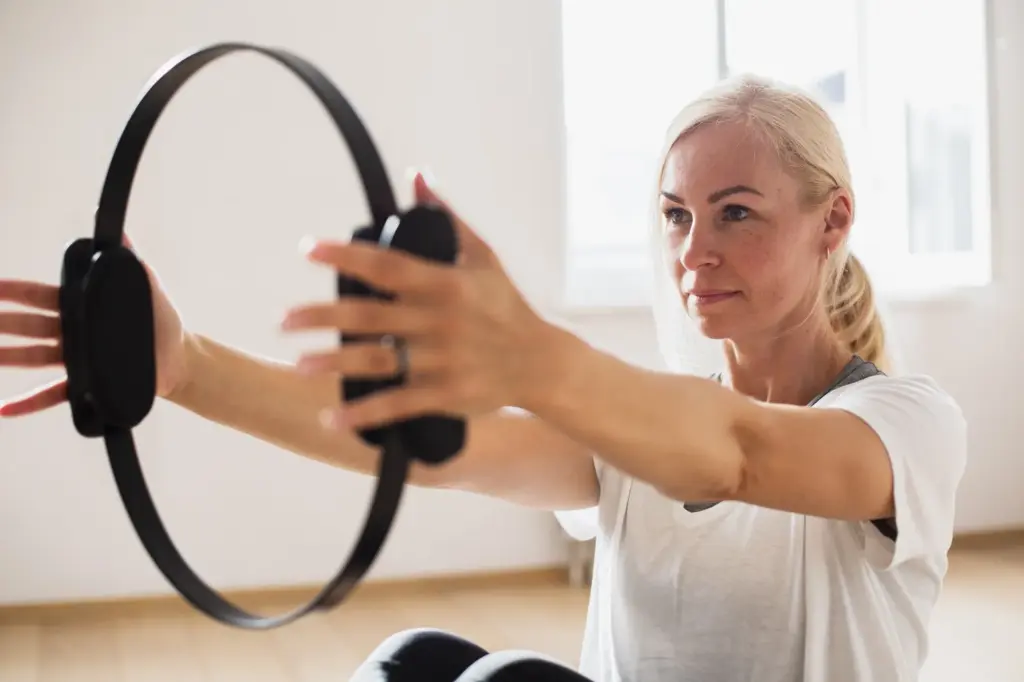
Lengthen the spine, soften shoulders, plant feet, and let the chin float back slightly. A thirty-second alignment widens breath capacity, clarifies tone, and sends subtle confidence cues through your camera frame. Repeat whenever you switch tasks to refresh energy and presence.

Warm-Up Whisper and Hum

Hum lightly for twenty seconds, then whisper your opener with relaxed airflow, noticing vibrations around lips and cheekbones. This gentle resonance tune-up reduces vocal strain, supports clear diction, and prepares you to sound assured without pushing volume or speed.

Words, Structure, and Framing That Stick

Clarity loves simplicity and sequence. With tiny drills, you will trade jargon for images, cut clutter, and arrange ideas into short arcs listeners can follow. These micro-revisions reduce cognitive load, spotlight essentials, and help your message land cleanly without sacrificing nuance or empathy when conversations turn complex.

Listening Moves That Earn Trust

True confidence is felt most when others feel heard. Micro-practices in pausing, paraphrasing, and labeling emotions create safety quickly. With small, repeatable moves, you will reduce interruptions, surface hidden concerns, and co-create solutions faster, transforming tense exchanges into collaborative problem-solving without grand speeches or complex scripts.

Five-Second Pause

After someone finishes speaking, silently count to five before replying. That brief space invites deeper detail, respects processing time, and prevents reflexive defensiveness. Practice the pause twice daily to build patience, improve comprehension, and lower conversational heat without losing momentum.

Mirror and Label

Reflect the last key words you heard, then name the emotion you sense, such as It sounds frustrating or It seems exciting. These compact acts validate perspective, ease tension, and invite fuller sharing, which strengthens cooperation and reveals practical next steps.

Smart Tools for Bite-Size Practice

Technology can shrink rehearsal overhead. With brief video check-ins, quick transcription highlights, and spaced repetition cards, you’ll practice efficiently without marathon sessions. Data from these tiny reps guides improvement, while privacy-friendly workflows keep experimentation comfortable, playful, and sustainable on even the busiest workdays.

One-Minute Video Check-ins

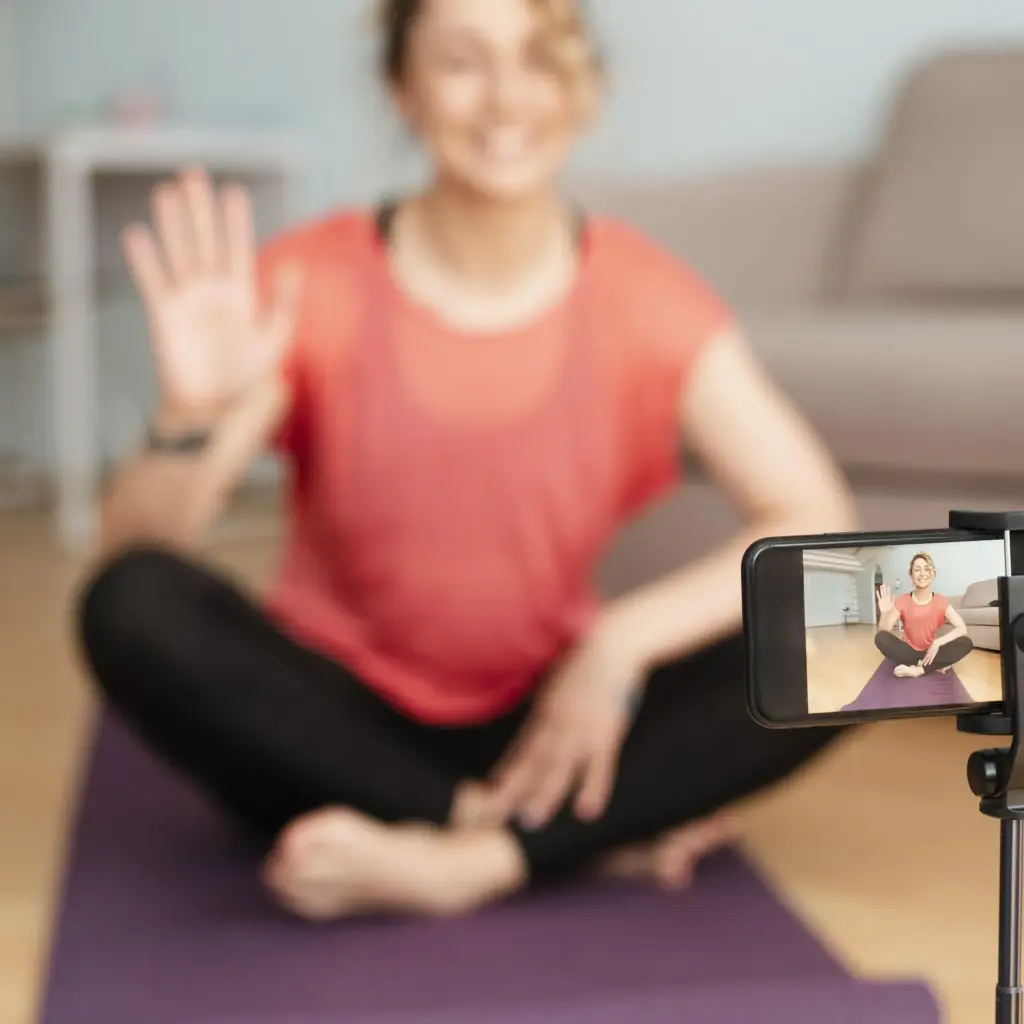
Record a daily sixty-second update describing a recent challenge and your next step. Reviewing tone, brevity, and warmth reveals patterns quickly. Post to a private folder, track weekly trends, and celebrate the smallest visible gains to reinforce commitment and enjoyment.

Transcription Highlight Drills

Use automatic transcription to mark filler words, tangled sentences, and strong moments. Select one improvement target per day and rehearse a cleaner version once. This focused edit habit steadily reduces verbal friction while honoring your natural style and personality.

Spaced Repetition for Phrases

Create flashcards with openers, bridges, and closers you actually say. Review a handful using spaced intervals so phrases surface effortlessly under stress. Over time, your conversational toolkit feels preloaded, freeing attention for empathy, timing, and strategic listening instead of frantic recall.

Anxiety, Mindset, and Everyday Courage
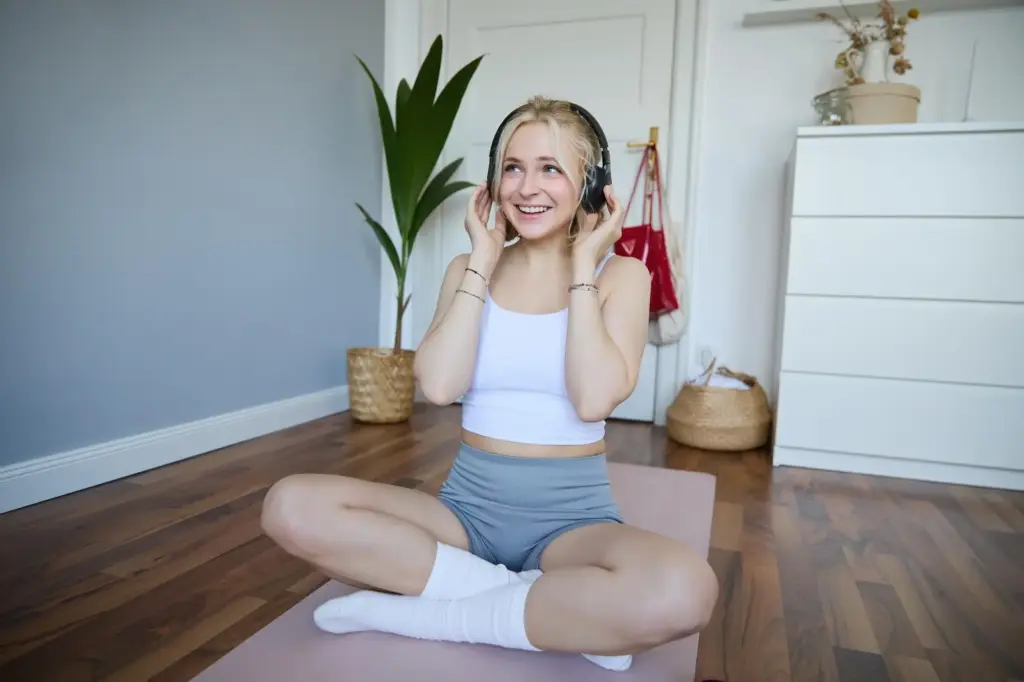
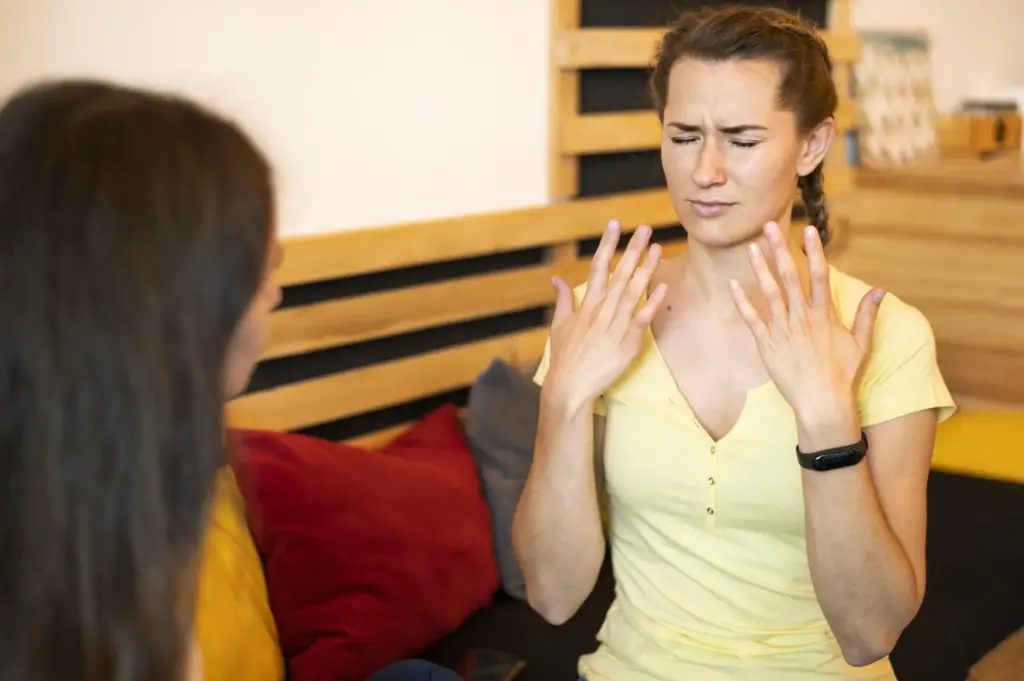
Confidence is emotional as much as technical. Short mental rehearsals, if–then plans, and gentle exposure steps reduce anticipatory fear. By normalizing small nerves and building recovery rituals, you will bounce back faster, speak sooner, and keep conversations constructive even when doubts whisper loudly.
Morisirasavi
Privacy Overview

This website uses cookies so that we can provide you with the best user experience possible. Cookie information is stored in your browser and performs functions such as recognising you when you return to our website and helping our team to understand which sections of the website you find most interesting and useful.